Friendship Bracelets Across Borders
Friendships Across Borders is a creative, student-led workshop designed to help young people explore identity, empathy, and connection in an age-appropriate and hands-on way. Through bracelet-making and letter writing, students reflect on who they are while creating something meaningful to exchange with a refugee child supported by The HOME Project in Greece.
Friendship Bracelet Exchange
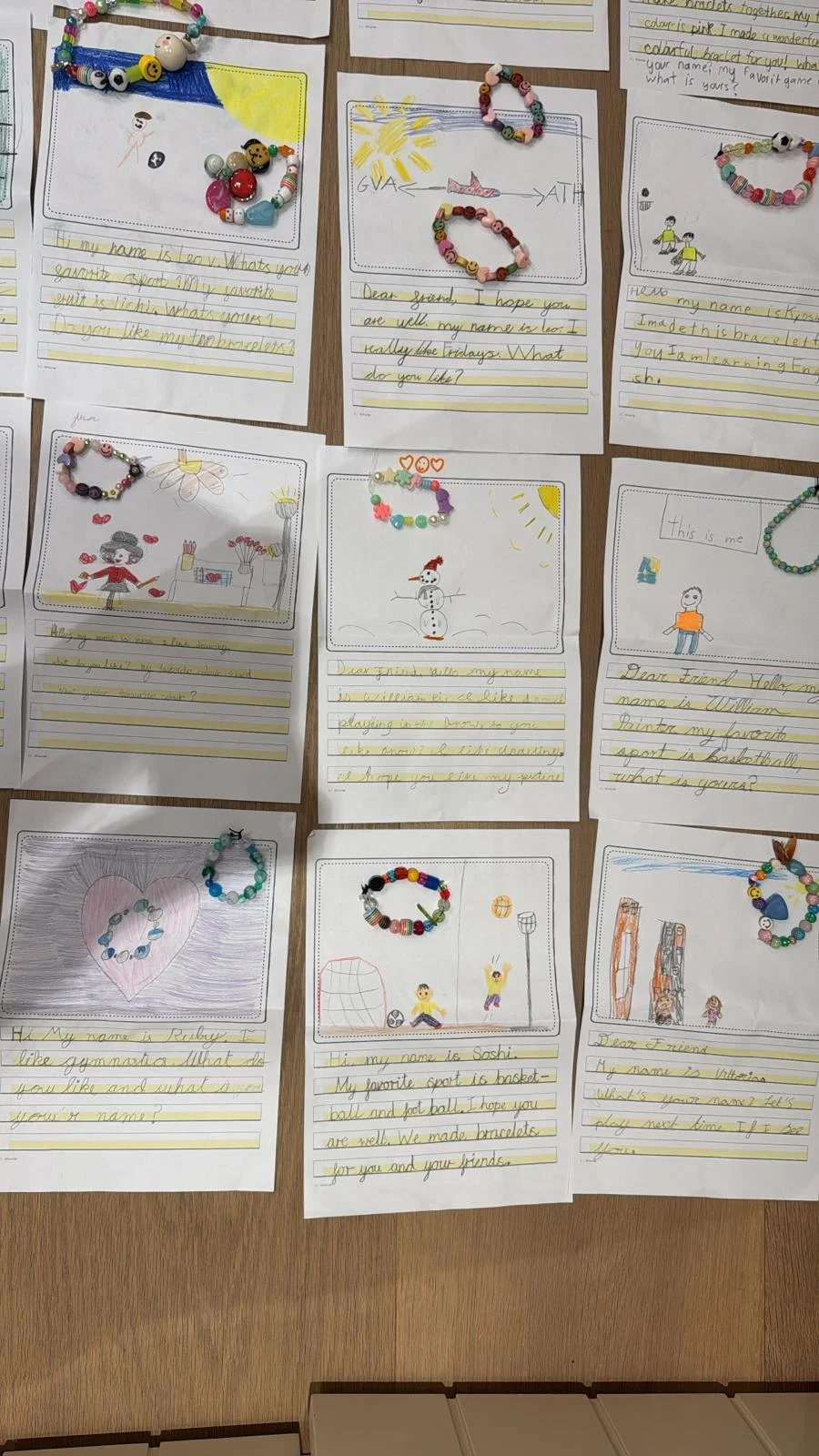
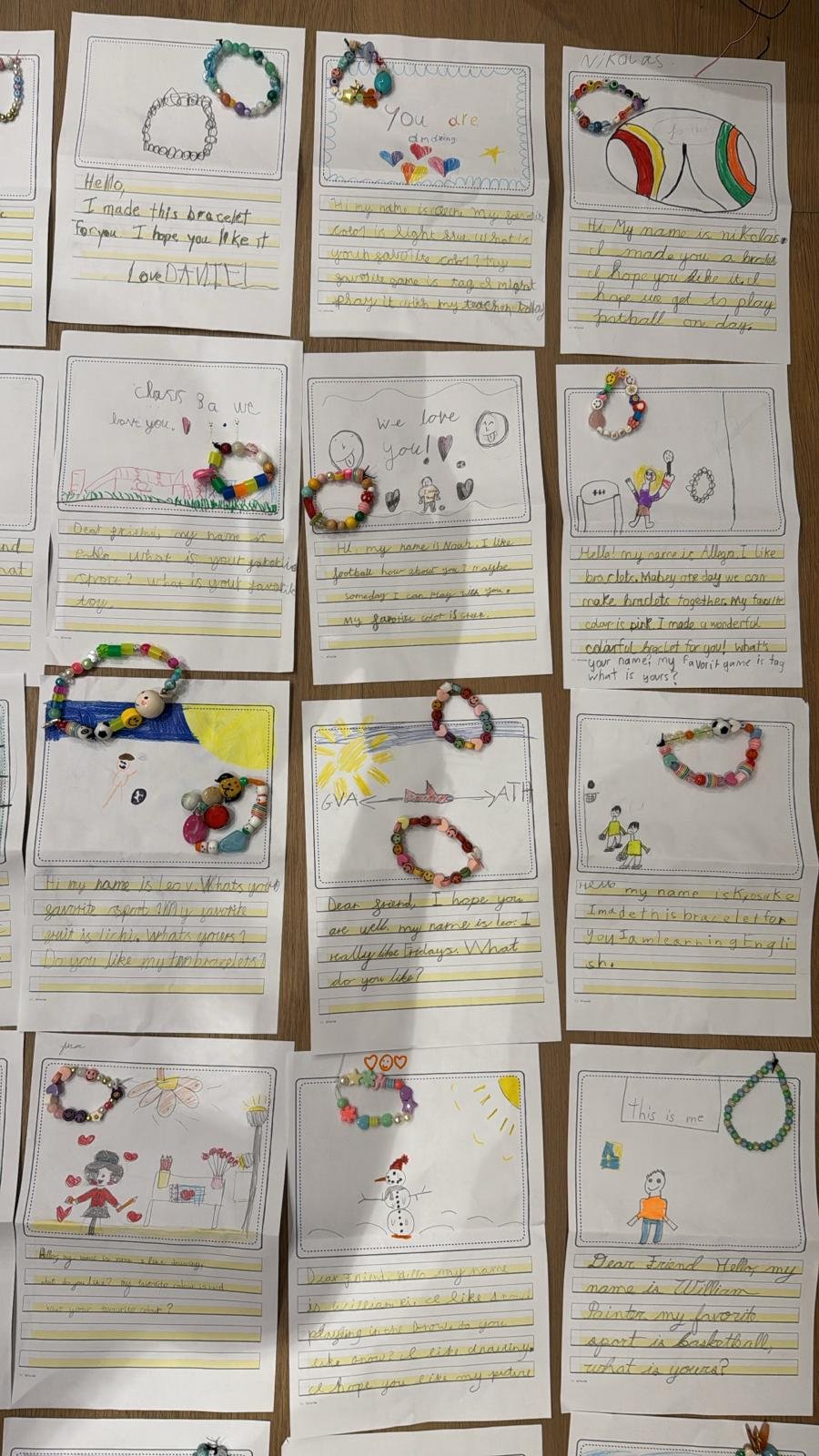
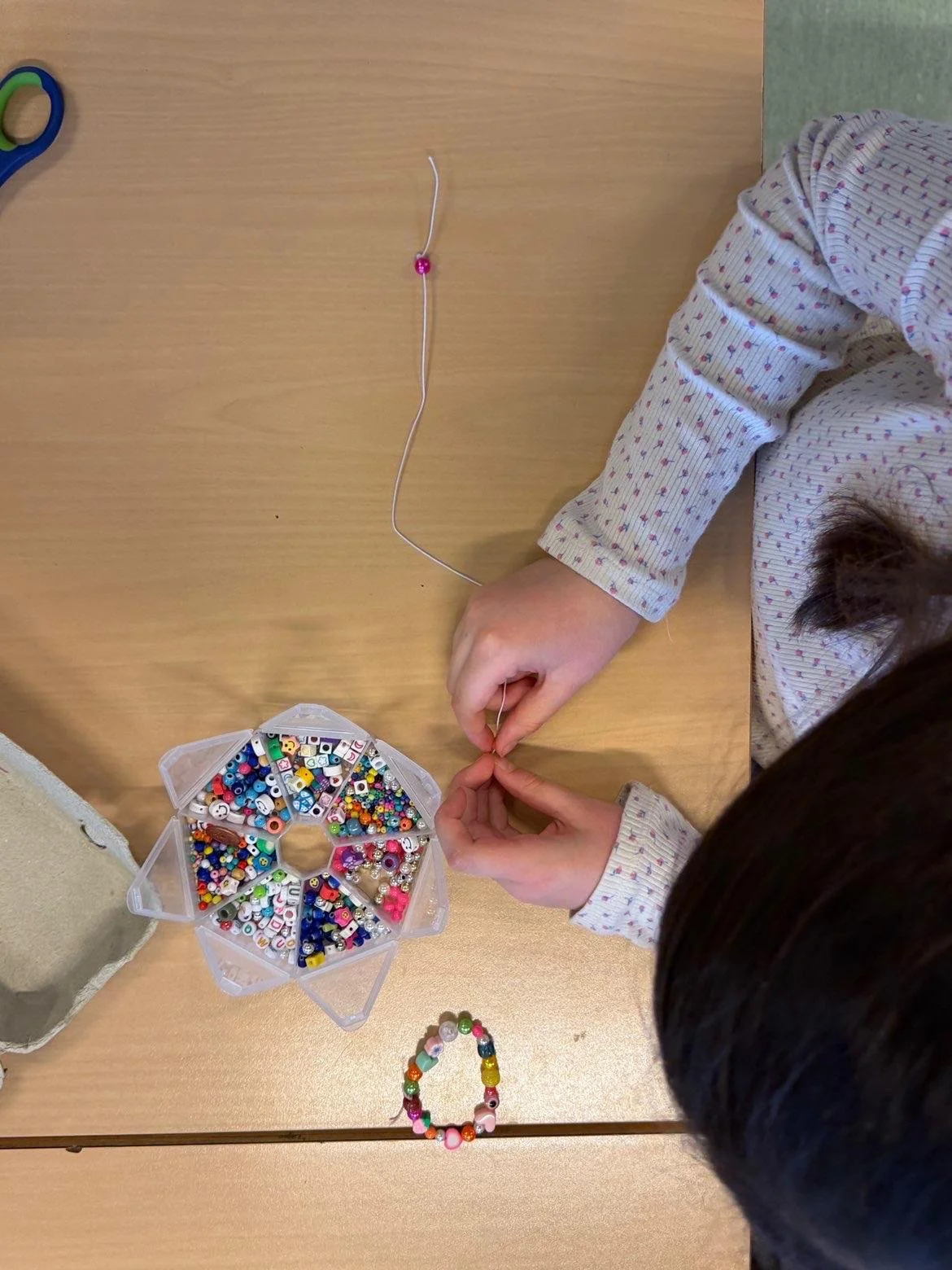
The workshop begins with an accessible conversation about refugees and The HOME Project, giving students the opportunity to learn, ask questions, and better understand the experiences of children their own age who have been displaced by conflict. Students then create two friendship bracelets—one for themselves and one for a refugee child—using colors and patterns that represent aspects of their identity, interests, or values.
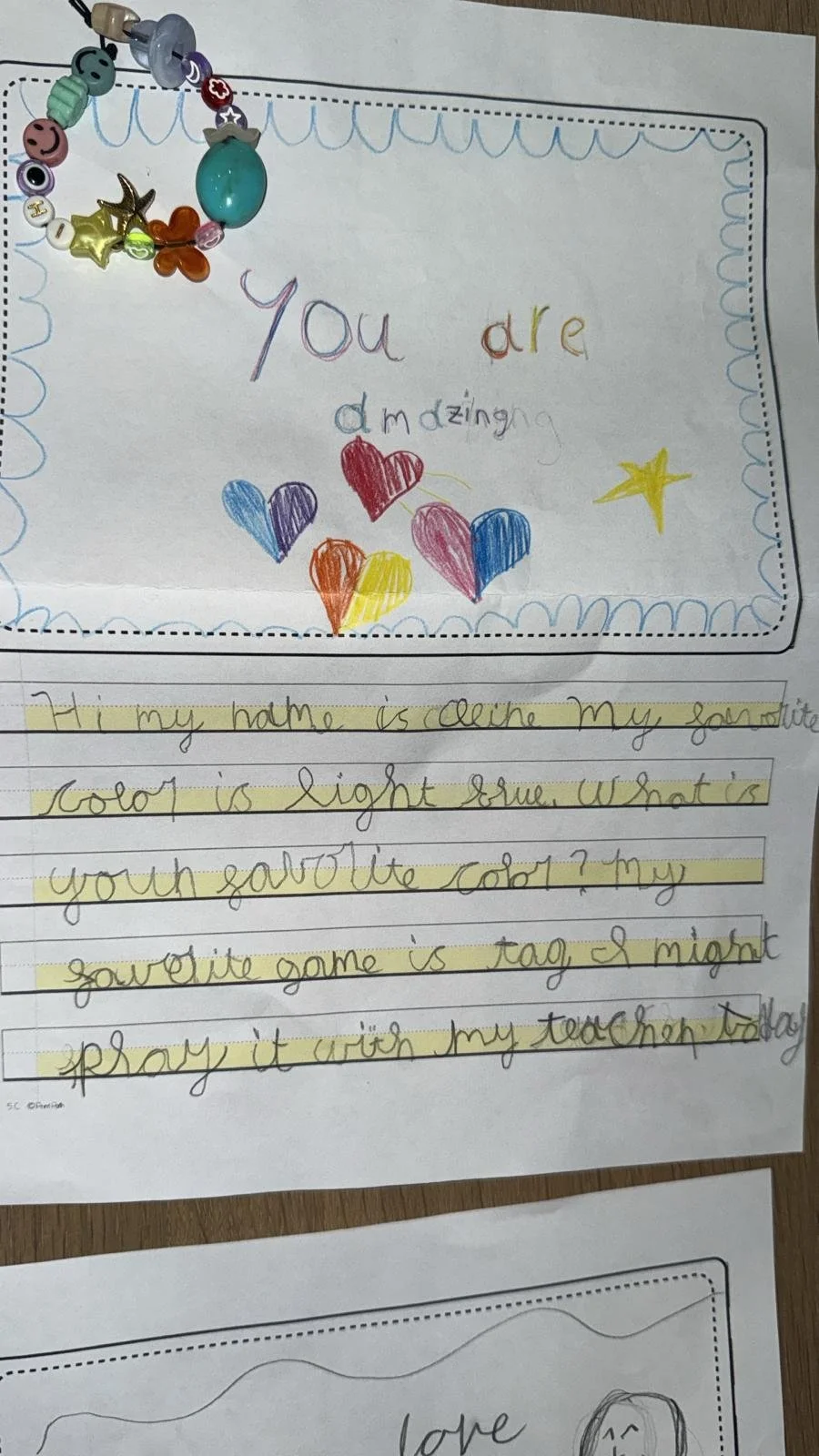
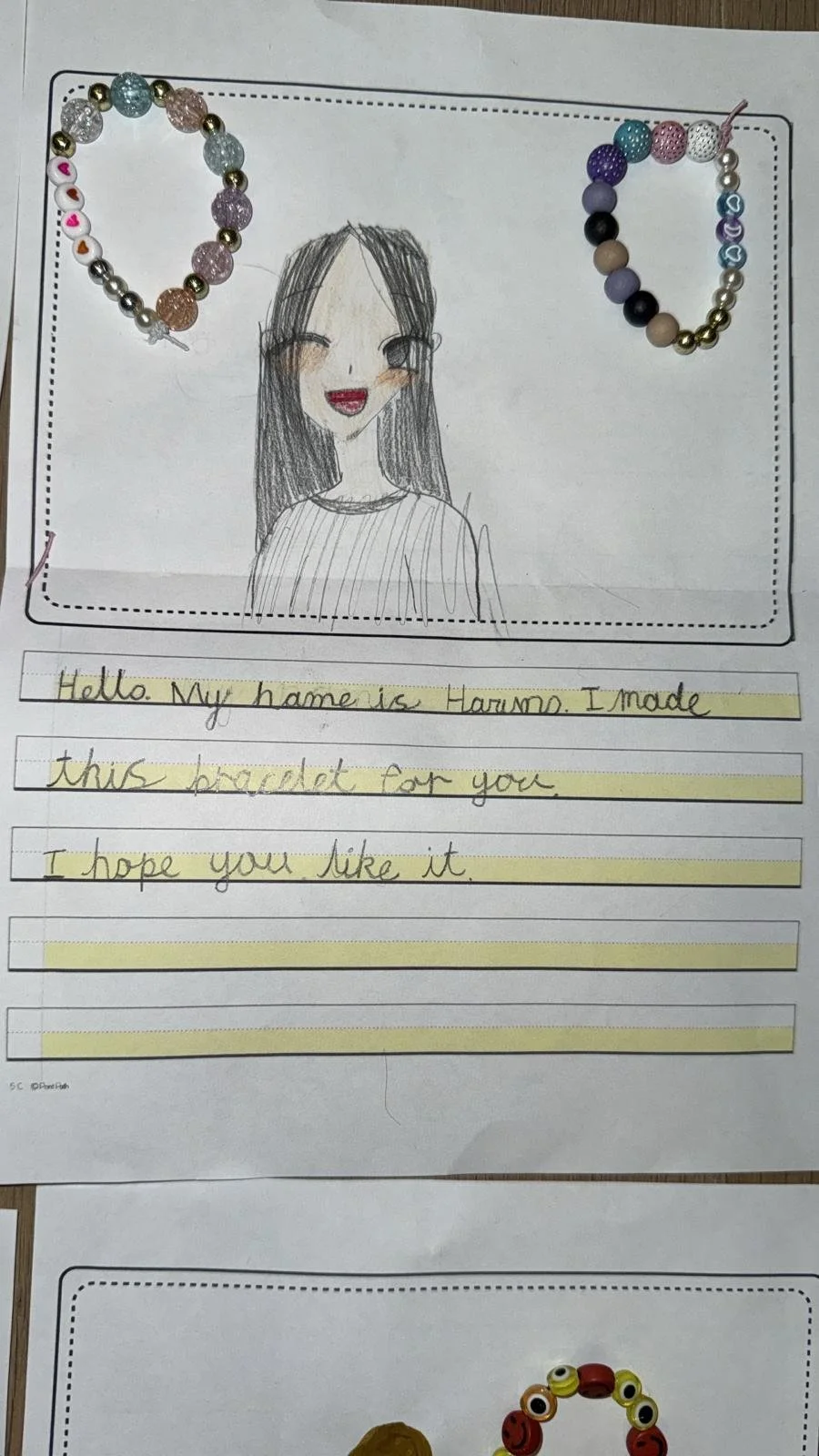
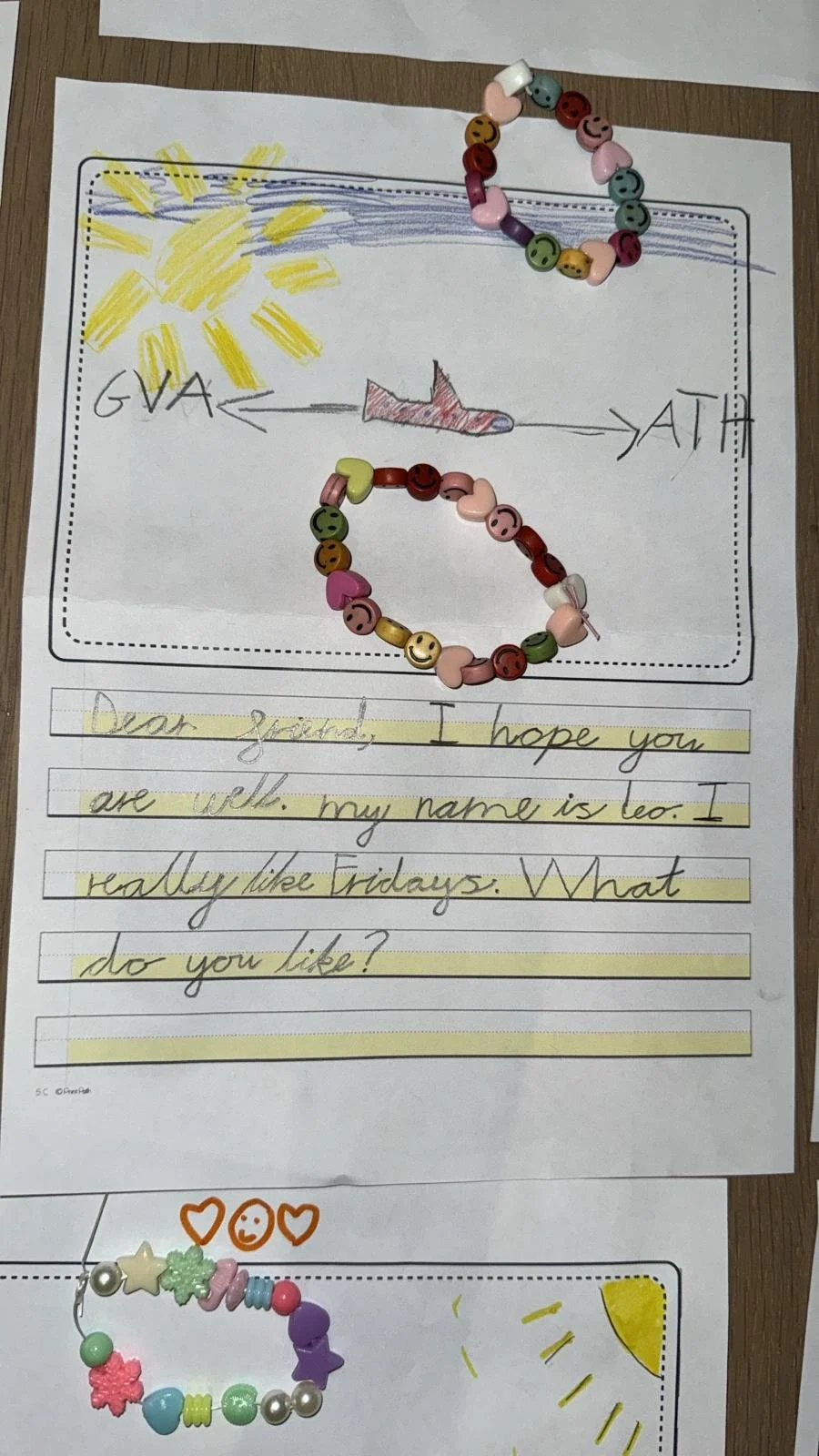
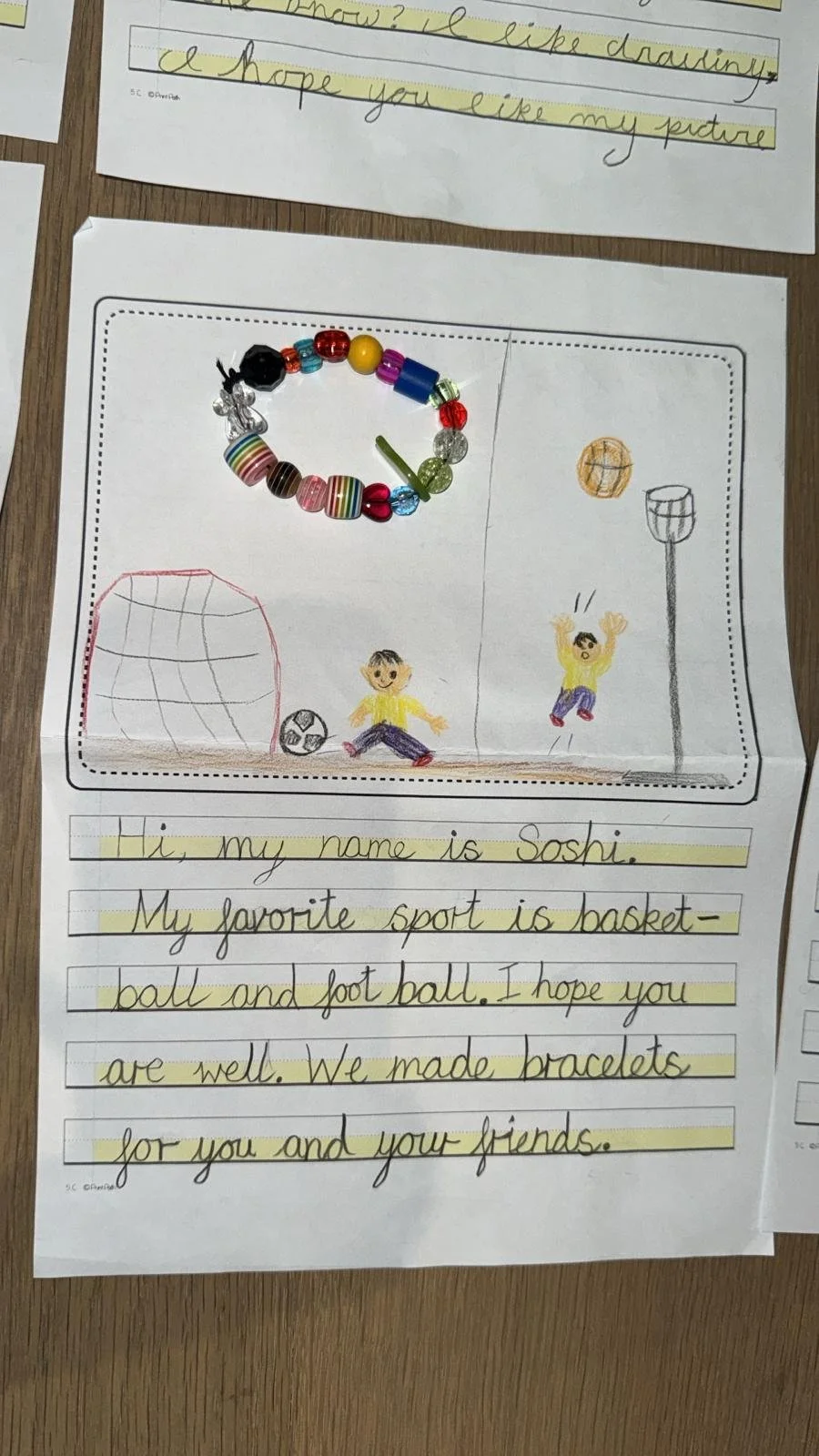
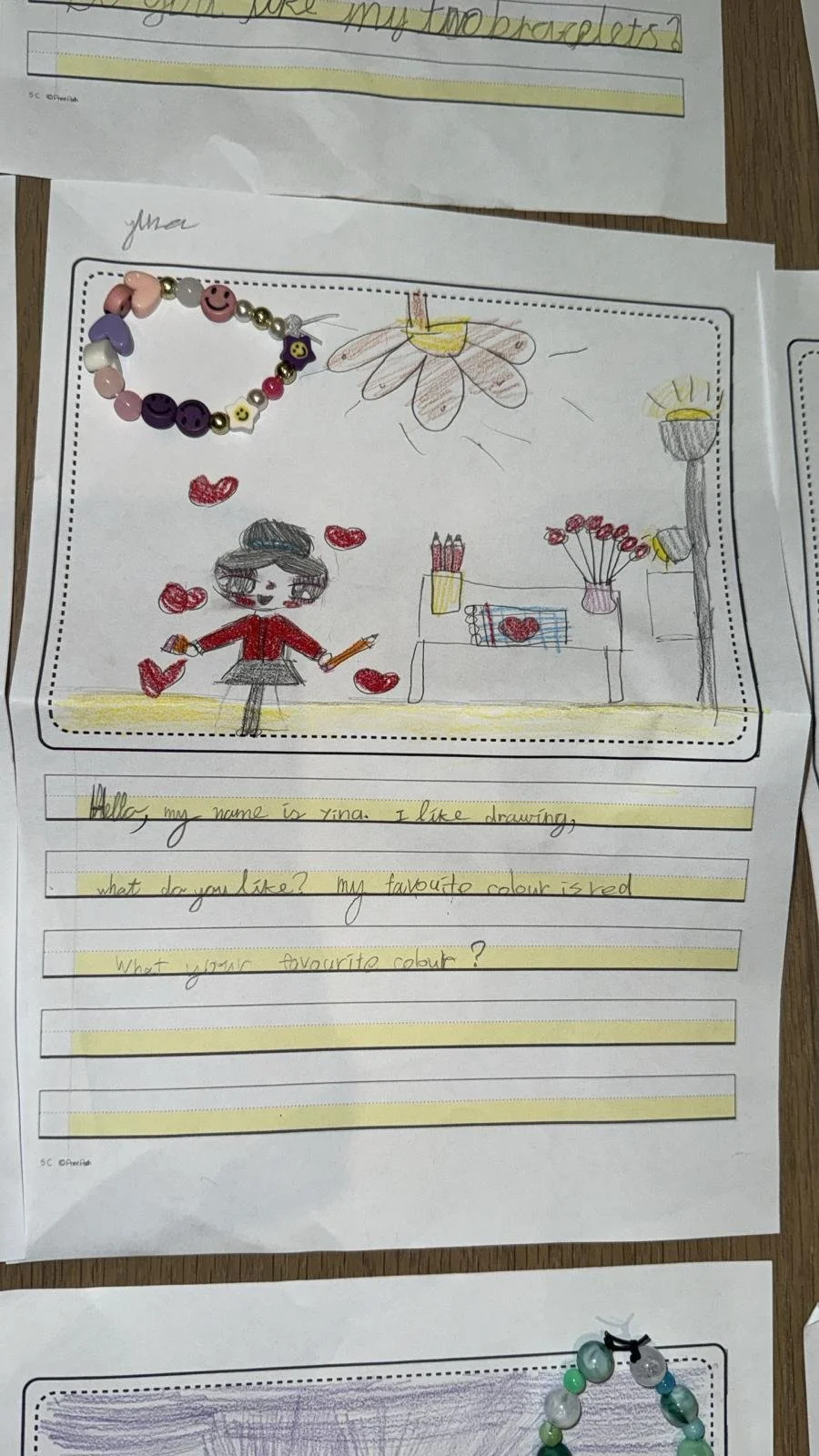
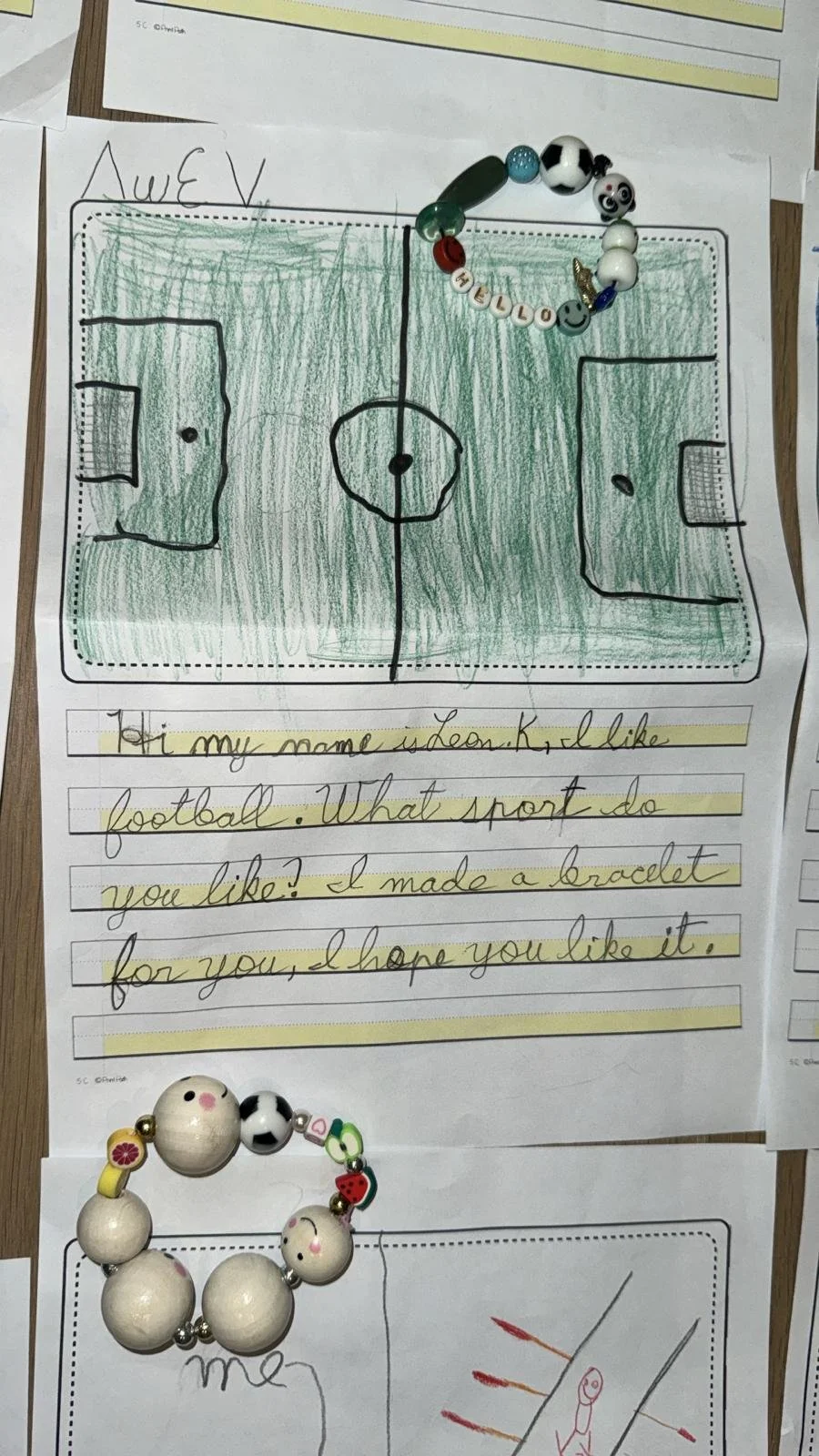
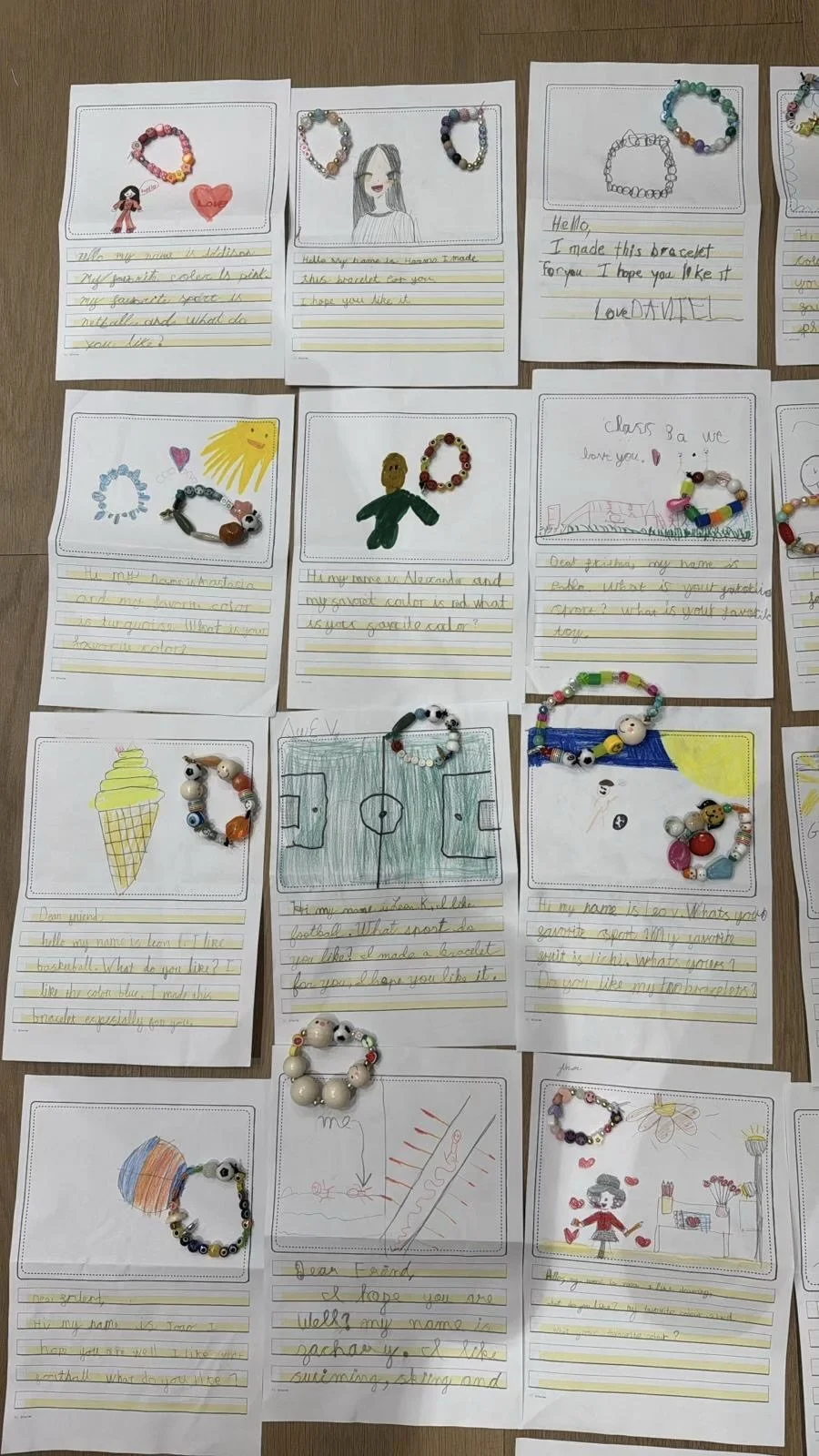
Each bracelet is accompanied by a short letter in which students introduce themselves and explain the meaning behind their design. By exchanging both a bracelet and a letter, the activity emphasizes mutual respect, shared humanity, and the idea that meaningful connections can exist across borders..
How the Workshop Works
1. Introduction and Discussion
Begin with a short, age-appropriate presentation about refugees and The HOME Project. Allow students to ask questions and talk openly about what it means to leave one’s home and rebuild a sense of belonging in a new place.
2. Reflecting on Identity
Ask students to think about themselves before beginning the bracelets. Prompt questions may include:
What colors do I like and why?
What hobbies, values, or interests are important to me?
What makes me feel connected to other people?
Students choose colors and patterns that symbolize their answers.
3. Bracelet-Making
Each student makes:
One bracelet for themselves
One bracelet for a refugee child
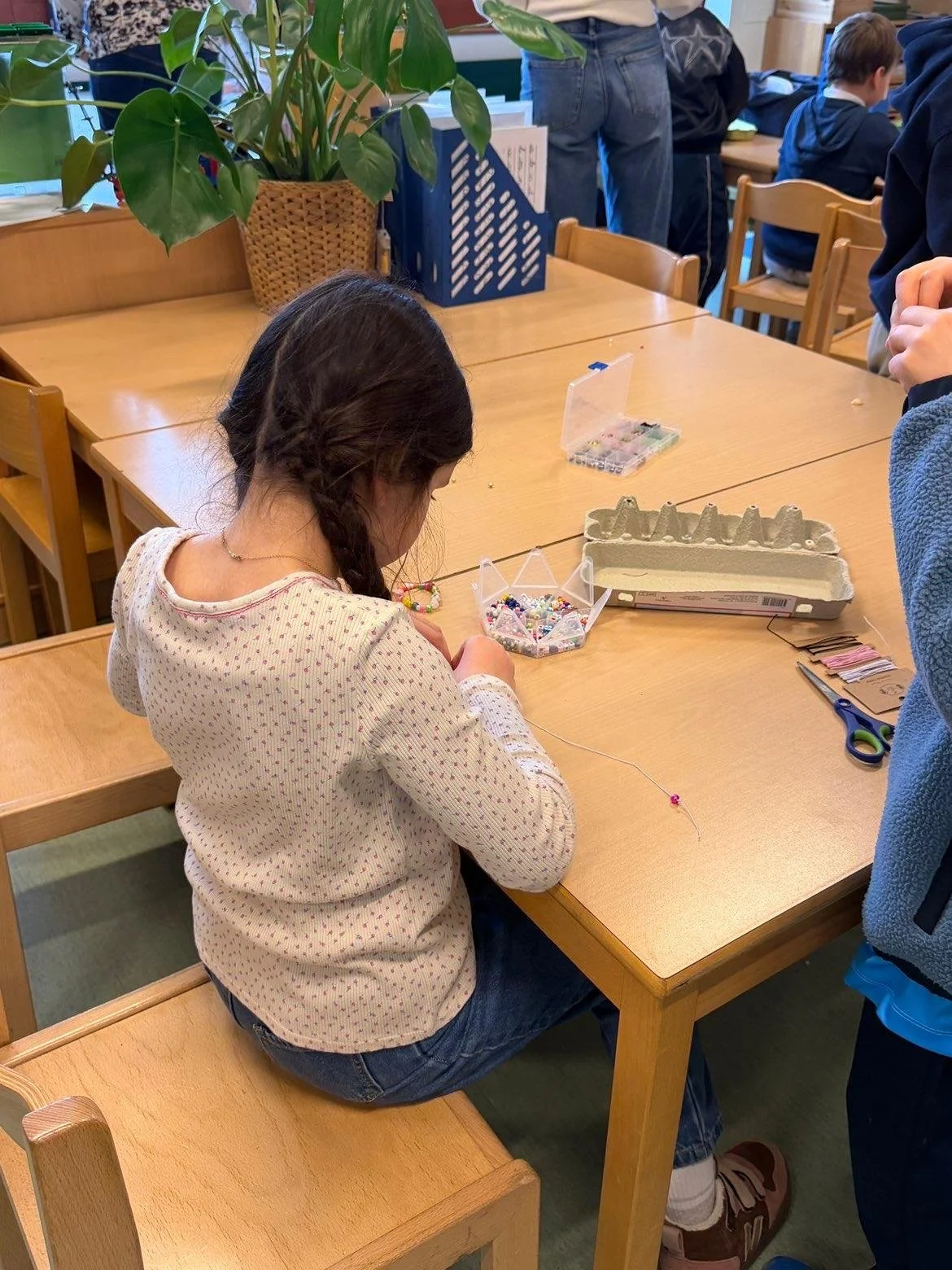
Support students as they design patterns and learn simple bracelet-making techniques. The focus is not perfection, but intention and meaning.
4. Writing the Letter
Students write a short letter to accompany the bracelet they are sending. The letter may include:
A brief introduction
An explanation of the bracelet’s colors or pattern
A friendly message of connection or encouragement
5. Exchange and Reflection
Bracelets and letters are collected and sent to The HOME Project. Afterward, students reflect as a group on what they learned about empathy, identity, and shared human experience.
Why This Activity Matters
The Friendship Bracelet Exchange allows students to connect with refugee children not through statistics or headlines, but through creativity and personal expression. By making and exchanging something meaningful, students learn that despite different backgrounds and life experiences, children around the world share common hopes, interests, and emotions.