
In the Classroom
Faces of Our World consists simple workshop designed to teach young children about the refugee crisis and the interconnected world.
The Classroom section of Faces of Our World brings together student-designed, age-appropriate activities and resources that help young people explore identity, empathy, and global responsibility. Developed through firsthand volunteer experiences and shaped for use in school and community settings, these materials are designed to be flexible, accessible, and easy for educators to adapt.
Classroom offerings include hands-on projects—such as self-portrait workshops, creative exchanges, and shared-meal activities—as well as curated library resources that support discussion and reflection around culture, belonging, and shared experience. Together, these activities invite students to connect everyday experiences to broader global perspectives in thoughtful and personal ways.
Our Projects
Classroom-ready activities created by Faces of Our World Student Leaders

Self-Portraits: Identity & Empathy
In this project, students create self-portraits that reflect who they are, where they come from, and what matters to them. Through guided reflection and discussion, students learn that identity is shaped by culture, family, experiences, and personal interests.
This activity encourages self-expression while helping students recognize and respect the many ways people represent themselves.
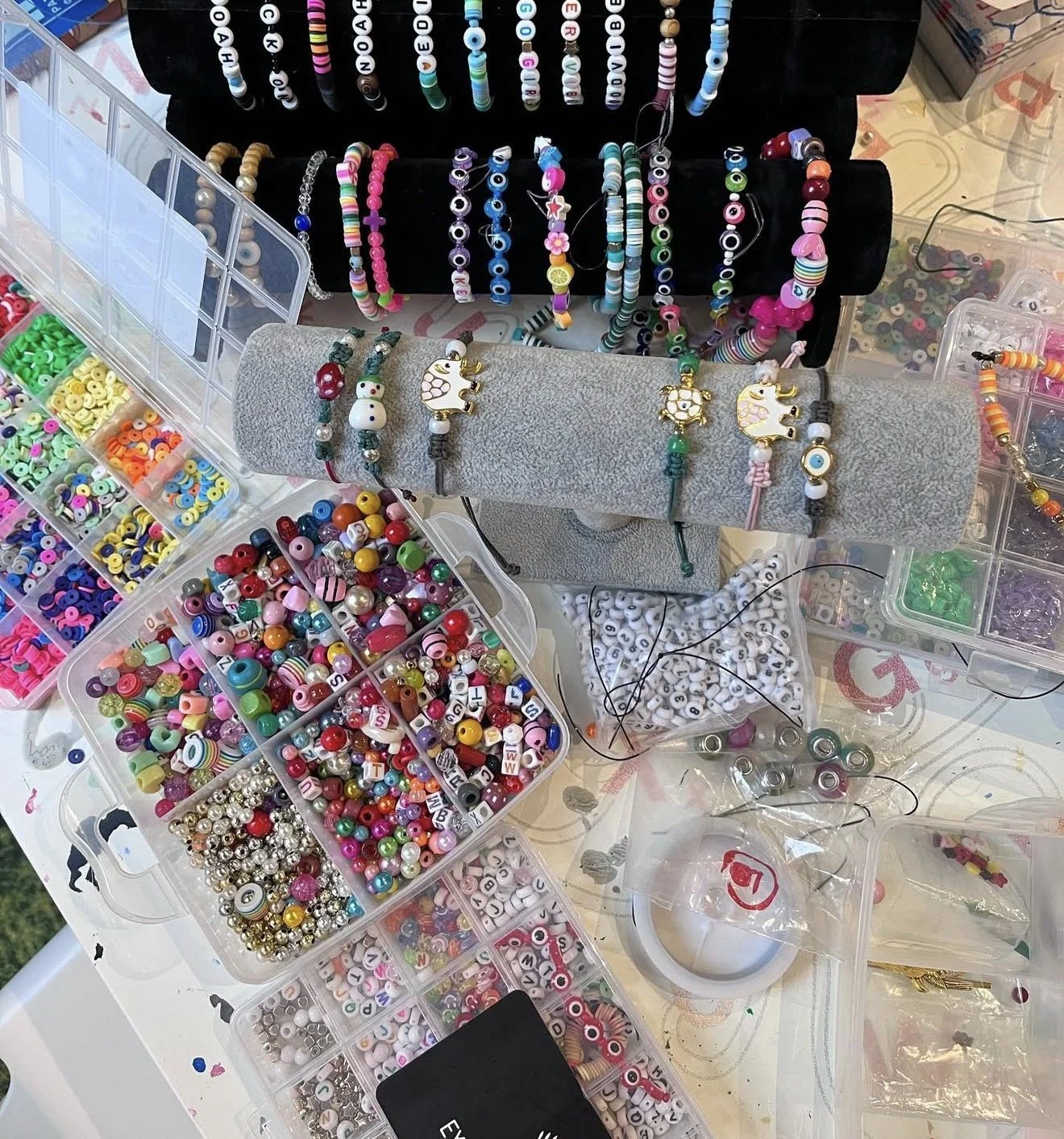
Friendship Bracelets Across Borders
This hands-on workshop invites students to create friendship bracelets as a way to build empathy and global connection. Each student makes one bracelet to keep and one to share with a refugee child, accompanied by a short, friendly letter.
The project emphasizes kindness, creativity, and the idea that small actions can help build meaningful connections across cultures.
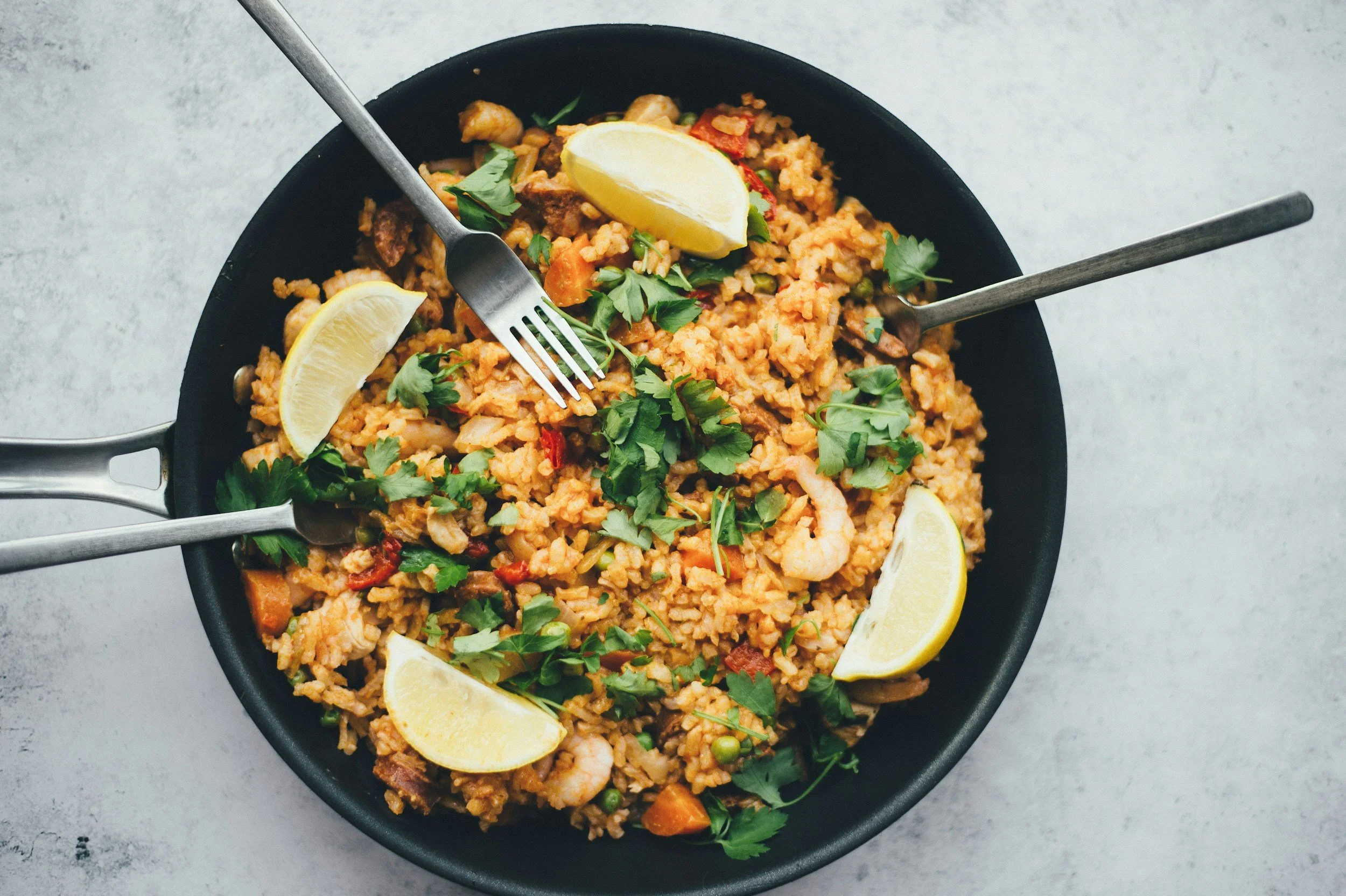
Recipes Across Cultures
Food is a powerful way to learn about culture, memory, and home. In this project, students explore recipes connected to refugee communities supported by The HOME Project in Greece, as well as their own family traditions.
Through cooking, reading, and discussion, students gain insight into how food carries stories, history, and a sense of belonging across borders.